
Heart Attack & Stroke: Critical Trauma Cover Guide for Over 40s


You hit 40, and you probably feel fine. You might be hitting the gym, watching your cholesterol, and feeling like you’re in your prime. But the statistics in Australia tell a different story.
Heart disease remains a leading cause of death in Australia (source: Heart Foundation), and the risk of stroke climbs significantly once you pass that 40-year milestone. In fact, according to the Stroke Foundation, 1 in 4 strokes in Australia now occur in people under the age of 65.
Many Australians believe they are fully protected because they have Private Health Insurance. But there is a critical gap in their thinking: Private Health pays the hospital, but who pays the mortgage during the 6 months of recovery?
This is where Critical Illness cover (commonly known as Trauma Insurance) steps in. In this guide, we’ll explain why this specific type of cover is the "financial life support" that every over-40 should consider.
The "Gap" in Your Safety Net
It is a common misconception that Private Health Insurance covers everything. While it is fantastic for skipping public hospital waiting lists and covering the cost of surgery, it doesn’t put a single cent into your personal bank account.
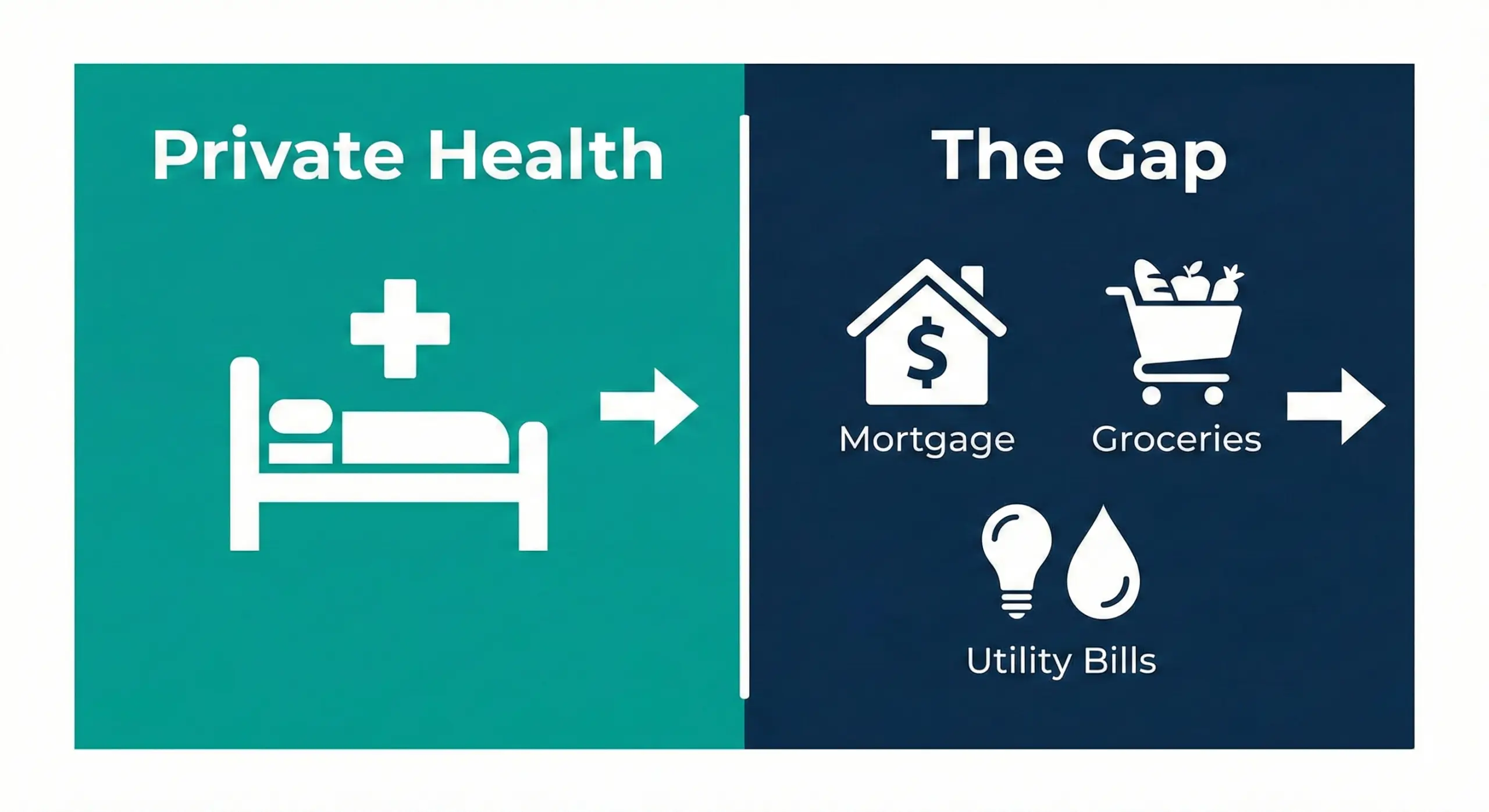
If you suffer a heart attack or stroke, your recovery could take months. During that time, the financial pressure doesn't pause just because your health has:
- Your salary stops: Unless you have unlimited sick leave, your income will eventually dry up.
- Fixed costs continue: Your mortgage or rent, school fees, utility bills, and grocery costs pile up.
- New costs emerge: You may face rehabilitation therapy costs not fully covered by Medicare, or need to make home modifications (like ramps or bathroom rails) if your mobility is affected.
Trauma Cover is designed to fill this gap. It pays a tax-free lump sum directly to you upon the diagnosis of a specified medical event, giving you the financial breathing room to focus 100% on getting better.
Trauma Insurance Heart Attack Coverage: The Fine Print
When you look into trauma insurance heart attack coverage, it’s important to understand that not all policies are created equal. You aren't just buying a label; you are buying a medical definition.
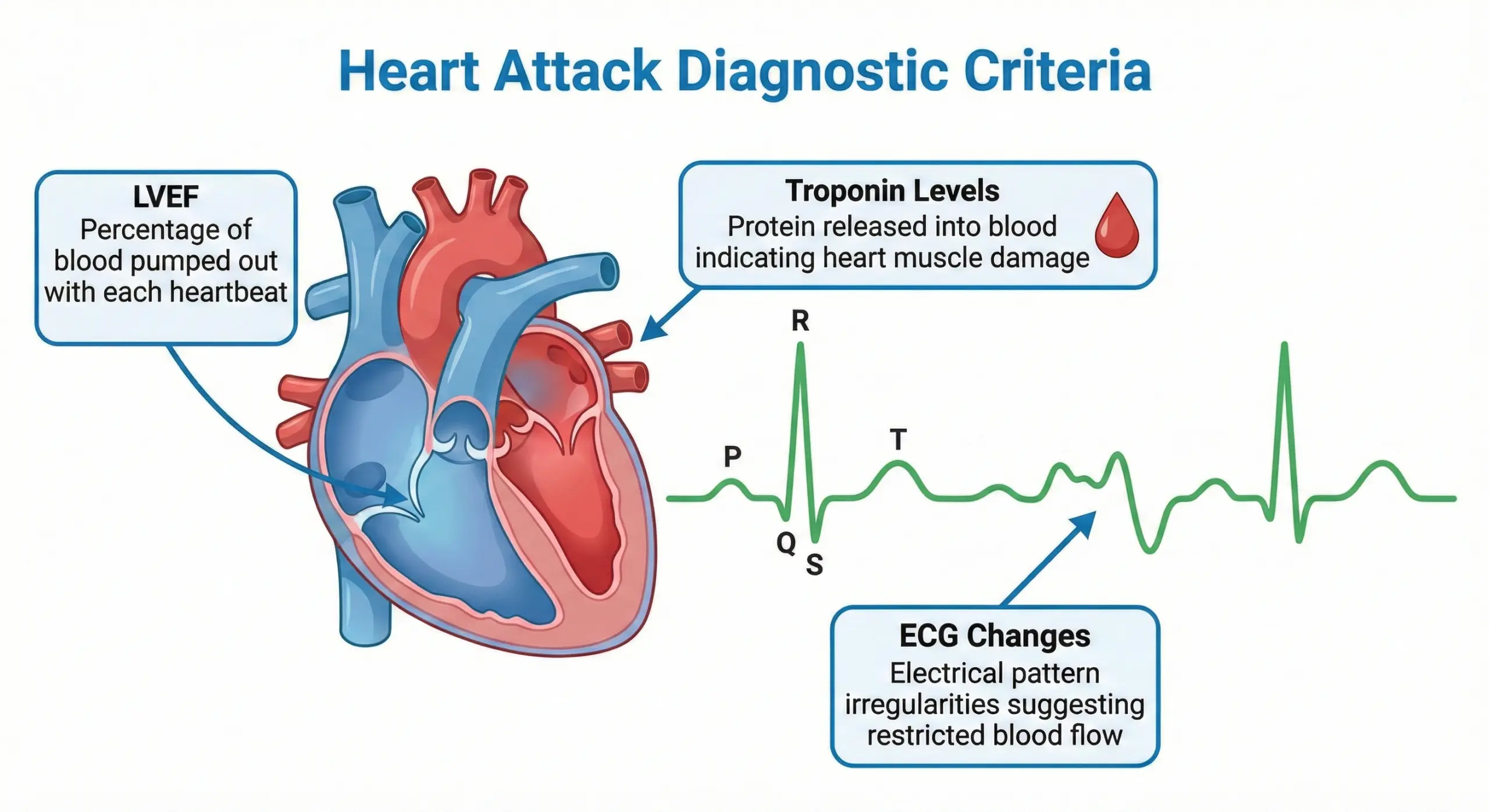
Generally, a Trauma policy will pay out the full insured amount (e.g., $100,000 or $200,000) if you suffer a heart attack that meets the insurer's specific criteria. This usually involves:
- Troponin Levels: Evidence of heart muscle damage via raised Troponin I or T levels in your blood.
- ECG Changes: Specific changes in your electrocardiogram readings that indicate a cardiac event.
- LVEF: Some older or cheaper policies may require a reduction in your Left Ventricular Ejection Fraction (essentially, how much blood your heart pumps).
The Benefit of Diagnosis-Based Pay:
Unlike Income Protection, which pays you monthly only if you can't work, trauma insurance heart attack coverage pays out on the diagnosis itself.
This means you could suffer a heart attack, receive your $200,000 payout, make a full recovery, and return to work three months later—and the money is yours to keep. You can use it to pay down the mortgage, take a stress-free holiday to recover, or cover the best specialists money can buy.
The Reality of Stroke Recovery
Stroke is another major trigger for Trauma Insurance claims in Australia. The impact of a stroke can vary wildly, from a temporary weakness to permanent disability.
Financial stress is the last thing you need when relearning how to walk or speak. A Trauma payout allows you to access immediate rehabilitation services that might not be available publicly.
Don’t I Have This in Super?
This is the most dangerous assumption to make.
Most default Superannuation insurance includes Life Insurance (Death) and TPD (Total & Permanent Disability). It rarely includes Trauma Cover.
If you have a heart attack but recover enough to return to work, your TPD policy inside Super likely won’t pay you a cent. TPD is designed for career-ending injuries only. Without Trauma cover, you would be left facing the financial aftermath of a major health scare entirely on your own.
Strategy for Over-40s: The "Buy Back" Option
One of the smartest features to look for when you compare life insurance and Trauma policies is the "Trauma Reinstatement" or "Buy Back" option.
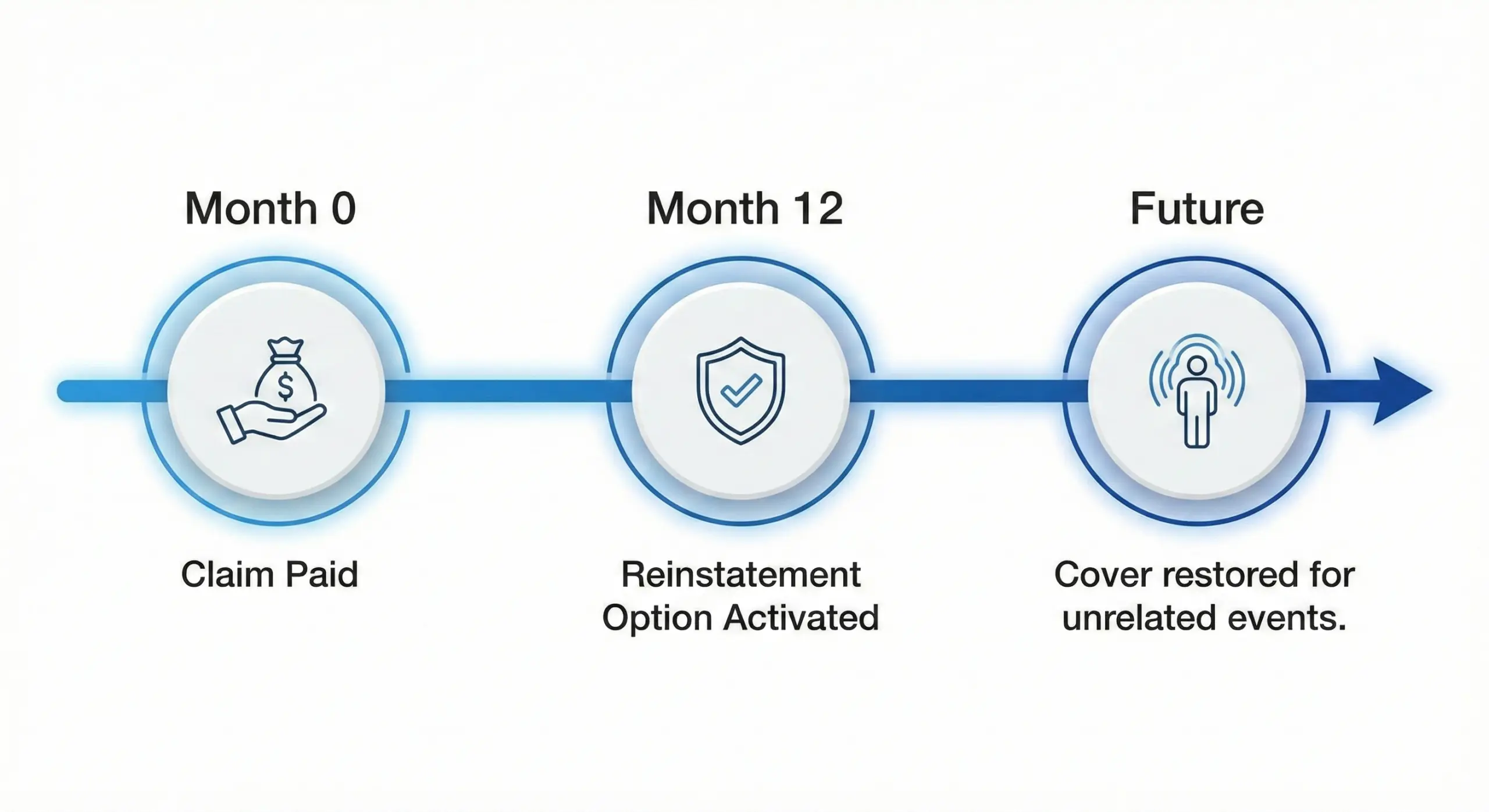
If you claim $500,000 for a heart attack at age 45, your policy typically ends. But if you have the Reinstatement option, you can often "buy back" your cover 12 months later. This means you could be covered again for unrelated conditions, such as cancer, later in life.
For Australians in their 40s and 50s, this feature provides a layer of long-term security that a standard "one-and-done" policy cannot match.
Protect Your Lifestyle, Not Just Your Health
As we enter our 40s and 50s, our financial responsibilities typically peak. We have bigger mortgages and expensive family commitments. A serious illness shouldn't cost you the lifestyle you’ve worked so hard to build.
If you want to check if your current plan includes trauma insurance heart attack coverage, or compare standalone policies that do, the team at Spotter Life is here to help.
Don’t wait for a diagnosis to check your cover.
Ensure your financial heart is as strong as your physical one.
Compare Trauma Insurance Quotes Today