
Just the other night, my wife and I were sitting at the kitchen table, looking over our monthly expenses. With two kids in day care and bills that only ever seem to go up, the urge to slash costs wherever we can is incredibly strong. It is a conversation happening in homes everywhere right now. A recent Flinders University survey of 15,000 people showed that 65 per cent of Australians rank the cost of living as their main worry, putting it well ahead of housing affordability and healthcare.
Faced with rising grocery bills and stubborn mortgage rates, many families are actively searching for ways to cut spending. But tightening the belt too much has exposed a hidden risk: underinsurance australia 2026. Cutting back on property, life, and income protection to save a little cash right now leaves households open to massive financial trouble later.
Rising Premiums Meeting Stretched Budgets
Keeping up with insurance premiums is tough right now. Industry data shows Australian home insurance costs jumped roughly 51 per cent between 2021 and 2026, bringing the national average to nearly $2,800. For those living in flood or bushfire zones, the hikes have been even steeper.
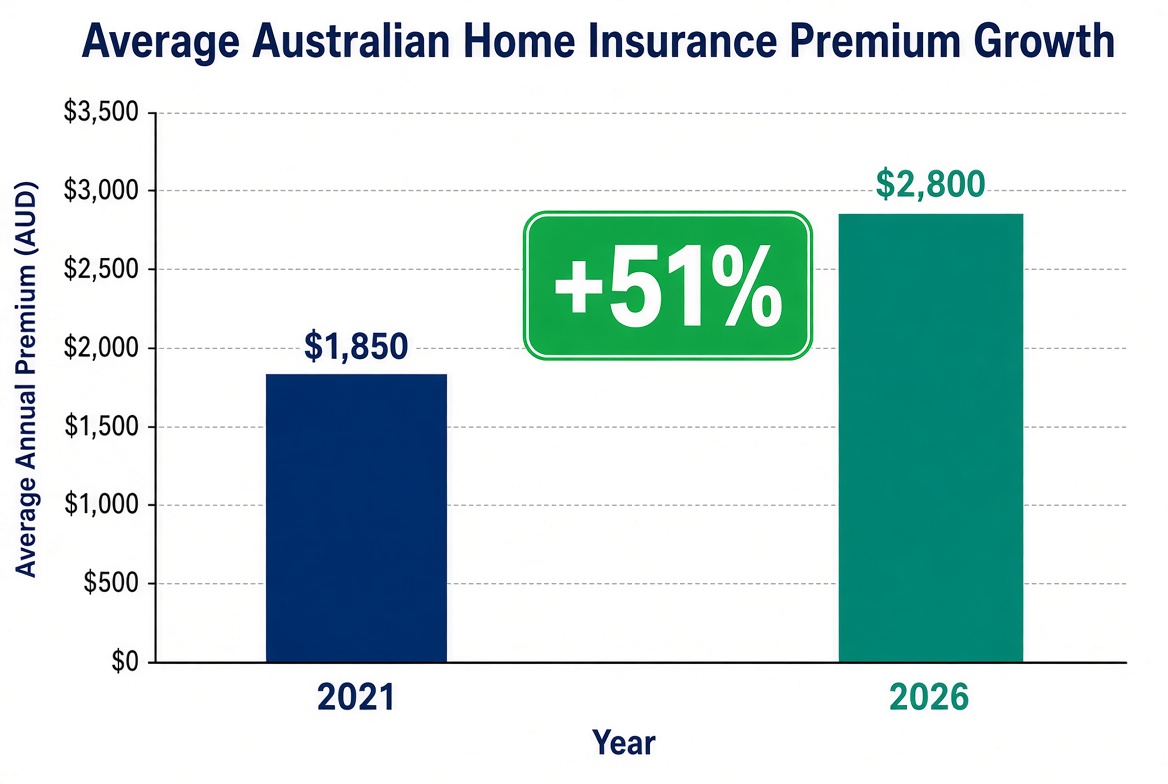
People are feeling it. A February 2026 Youi survey highlighted that 42 per cent of Australians believe their financial position has worsened over the past two years. Two-thirds said they are barely keeping their heads above water and would struggle to cover an unexpected bill. In response, policyholders are making adjustments by increasing their excess, lowering their sum insured, or dropping their cover completely.
The Australian study estimates around 1.4 million homes across the country are currently uninsured or underinsured. When you are tracking every dollar for your family, scaling back on insurance looks like a practical way to survive the month. Unfortunately, it leaves families totally unprotected against the exact financial shocks that could turn their lives upside down.
Rebuild Costs Outpacing Coverage
People actively reducing their cover is only part of the problem. A major driver of underinsurance is that existing policies simply have not kept up with building prices.
When I was looking into adding a solar power system at home recently, trying to map out the upfront costs and materials was a real eye-opener. The price of parts and labour changes so fast. The same thing is happening with home insurance. Recent Producer Price Indexes data from the Australian Bureau of Statistics (ABS) shows construction costs have risen 47 per cent compared to six years ago. A $500,000 policy that comfortably covered a full rebuild in 2020 falls well short of the mark today.
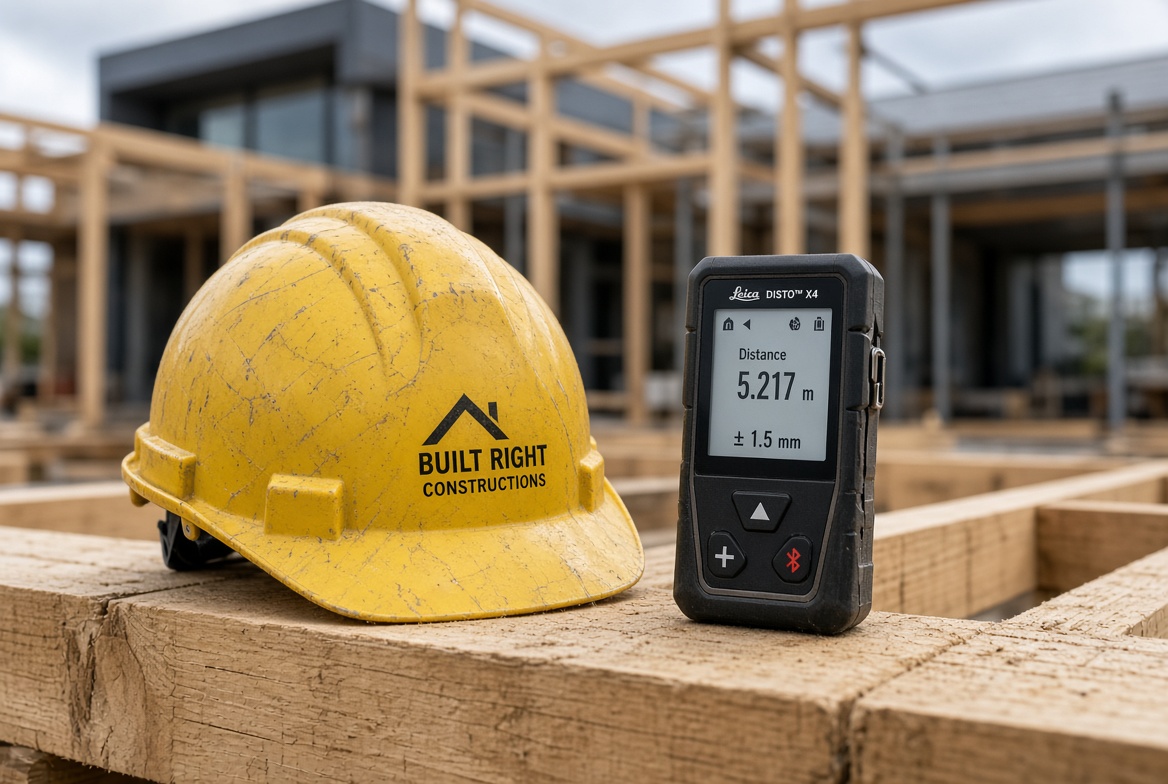
If a natural disaster or a house fire destroys a property, families often find their payout cannot cover the price of materials, ongoing labour shortages, and stricter building codes. This shortfall leaves them with terrible options, such as building a smaller house, taking on unexpected debt, or walking away from the block entirely.
Life and Income Cover Falling Behind
The danger extends well beyond bricks and mortar. As a parent, making sure my two young kids are looked after if something happens to me is always at the back of my mind. The broader economic squeeze is changing how Australians protect their families against illness, injury, or death.
NobleOak’s life insurance pulse report notes that nearly a quarter (23 per cent) of Australians with life insurance feel they do not have enough cover. This figure climbs even higher for those relying entirely on the default cover provided through their superannuation fund. Because household expenses and mortgage sizes have grown, the payouts built into older policies are no longer enough to replace a lost salary or clear current debts.
If a primary earner has to stop working, a payout calculated for a 2020 economy will not keep a family afloat, given the financial realities of 2026.

Practical Steps to Protect the Household
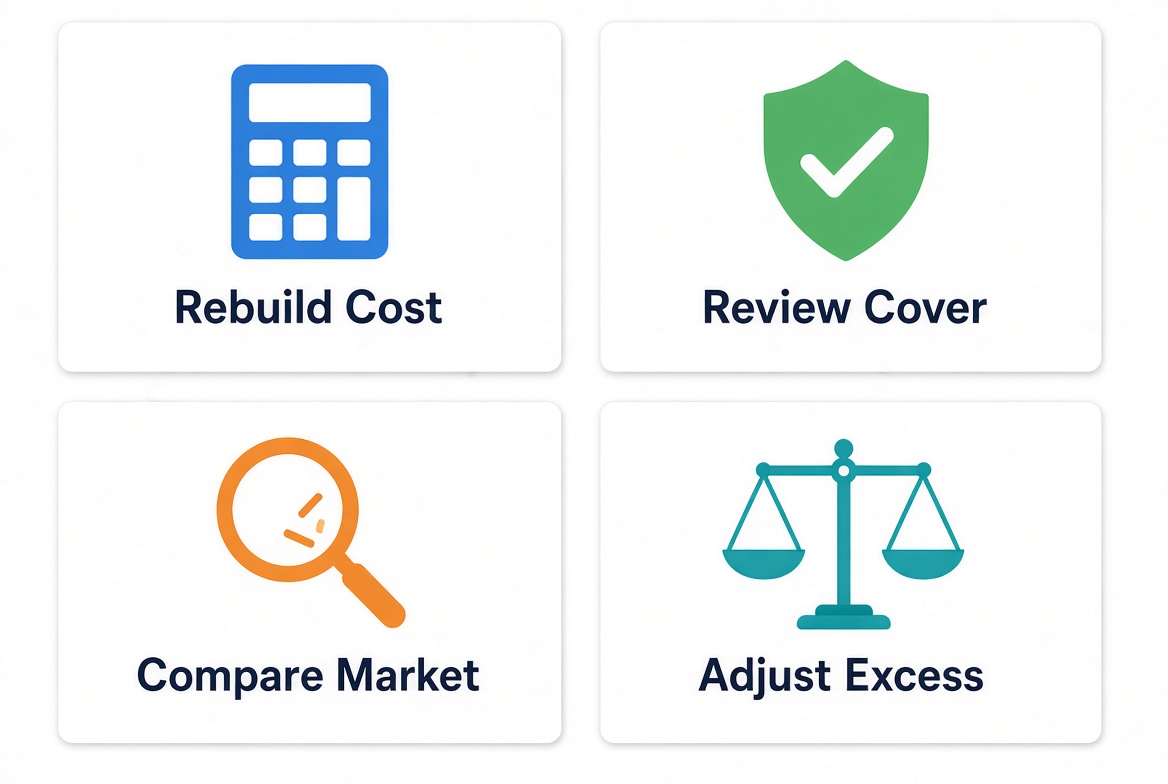
Managing a tight budget requires discipline, but there are smart ways to maintain solid cover without paying more than necessary:
- Calculate the True Rebuild Cost: Avoid relying on your property’s market value or outdated estimates. Use modern building calculators to accurately measure the current price of materials and labour.
- Review Life and Income Cover: Look closely at your actual financial commitments right now. Factor in current mortgage rates and daily expenses to make sure your safety net actually matches what it costs to run your life.
- Compare the Market: Loyalty does not usually pay off in the insurance industry. Looking at different providers every year can uncover solid savings without dropping the quality of your cover.
- Adjust Your Excess: Instead of dropping your total sum insured, think about taking on a higher excess. Bumping an excess from $500 to $1,000 or $2,000 can shave 10 to 20 per cent off your premium while keeping the main safety net in place for total loss events.
Looking Ahead
Making tough choices is just part of running a household right now, but compromising on core protection is a risk that is rarely worth it. Getting a clear picture of underinsurance australia 2026 is crucial to protecting the life you have built for your family. Taking the time to properly reassess your policies ensures your cover can genuinely handle the cost of replacing a home or a lost income.
About the Author