
I am Harley West, Managing Director of Spotter Life and Spotter Finance. Over my career in the Australian financial sector, I have helped both families and self-employed professionals protect their livelihoods. Spotter Life operates as a service dedicated to making personal insurance simple, accessible, and cost-effective for Australians.
A few months ago, I caught up for coffee with a client in his late 40s who had recently recovered from a severe heart attack. He was incredibly grateful for his $300,000 trauma payout because it meant his family did not lose their home while he was off work. But as we mapped out his finances, he realised something: A successful claim often triggers an unexpected secondary problem. His overall life insurance protection was suddenly depleted.
This is where understanding your trauma insurance buy back Australia options becomes critical to ensuring your family’s long-term financial security remains intact.
The Linked Policy Trap
To keep premiums affordable, most Australians bundle their personal protection as “linked” policies. This means your life insurance, Total and Permanent Disability (TPD), and trauma cover share one primary insured amount.
Because the insurer pools the risk on linked policies, any payout you receive from your trauma cover reduces your remaining life cover by that exact same amount.
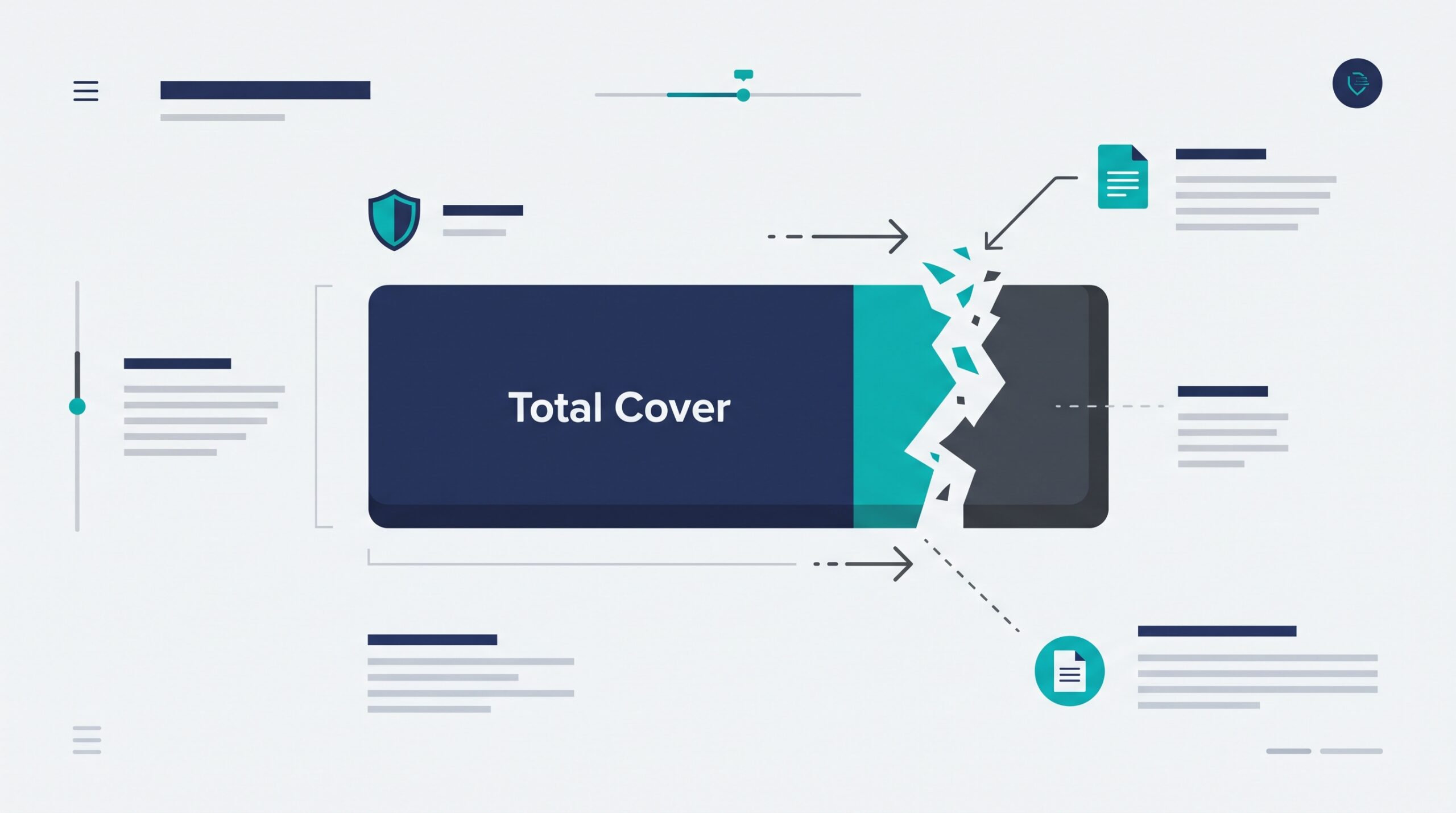
My client originally had $1,000,000 in life cover, which included $300,000 of trauma cover. After his severe heart attack, he received his full $300,000 trauma payout. He used the money to pay the mortgage and cover medical bills while he recovered. He survived, which is a fantastic outcome. But his remaining life cover instantly dropped to $700,000.
If something else were to happen to him later down the track, his family would be left short. Replacing that lost cover manually is nearly impossible because his recent heart attack now makes him highly uninsurable for a brand-new policy due to strict pre-existing condition rules.
Fixing the Gap with a Life Cover Buy-Back
Fortunately, there is a built-in safety measure you can set up in advance. A Life Cover Buy-Back option is a policy feature designed to fix this exact shrinking cover problem.
It gives you the contractual right to repurchase the life insurance cover that was depleted by your trauma claim. The best part is that you do not have to provide any new medical evidence or undergo fresh underwriting. Even though your health has changed significantly, the insurer must reinstate your life cover at standard rates based on your age at the time of the buy-back.
Most insurers require a standard waiting period. This is typically 12 months from the date your trauma claim was paid. Once that period passes, your life insurance bumps back up to the original $1,000,000, ensuring your family’s ultimate safety net is fully restored.
Restoring Your Critical Illness Buffer: Trauma Reinstatement
While a Life Cover Buy-Back restores your death benefit, it does not give you another round of trauma cover. Medical advancements mean more Australians are surviving critical illnesses today than ever before. It is entirely possible to suffer a heart attack in your 40s and a completely unrelated cancer diagnosis in your 50s.
If you want the ability to claim for a critical illness more than once, you need a Trauma Reinstatement option. This feature allows you to restore your actual trauma cover balance after a claim, usually following a 12-month waiting period.
Insurers do place strict rules around reinstatements. You generally cannot claim twice for the exact same condition, or for conditions that are medically linked. For example, you cannot claim for a stroke if it was directly caused by the cardiovascular disease that triggered your first heart attack claim. Understanding exactly what trauma insurance covers and how these definitions operate is vital when reviewing your current setup.
Do You Have These Options in Your Policy?
Not all trauma policies are built the same. Some comprehensive retail policies include Life Cover Buy-Backs automatically, while others require you to pay a slightly higher premium to add it during your initial application. Trauma Reinstatement is almost always an optional extra that must be explicitly selected.
If you hold an older policy or generic default cover through your super fund, you might be completely exposed to the linked-policy trap without any way to restore your benefits after a health crisis.
At Spotter Life, we believe Australians deserve clear, unconflicted guidance when protecting their livelihoods. If you are unsure whether your current policy includes these critical restoration features, or if you need to structure a new safety net that accounts for long-term health risks, it is time to seek expert advice. Speak to our advisory team today to review your current risk profile and ensure your family’s future remains fully protected, no matter what surprises life throws your way.
Fix the Linked Policy Trap Before It’s Too Late
Don’t wait until after a claim to discover your family’s safety net has shrunk. Let our licensed experts review your current setup, navigate buy-back and reinstatement options, and ensure your long-term cover remains rock solid.
|AFSL 540383